اپنا اسٹائل، اپنی پہچان
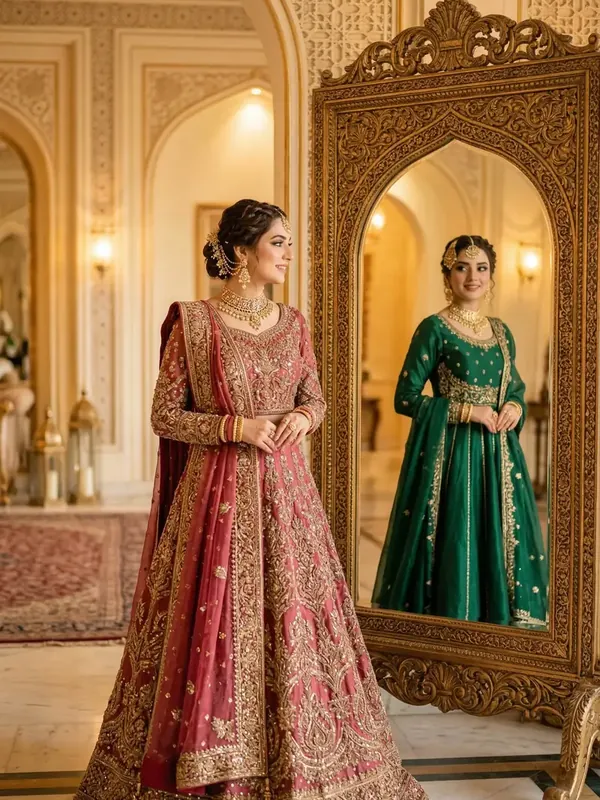
Kameez and dupatta drape. Hijab kept on. Embroidery preserved. Skin tone never lightened. We built the model for the clothes people here actually wear — then built three products on top of it.
The same idea, three ways
A shopper
Upload one photo, try on any outfit before spending a rupee.
A brand's product page
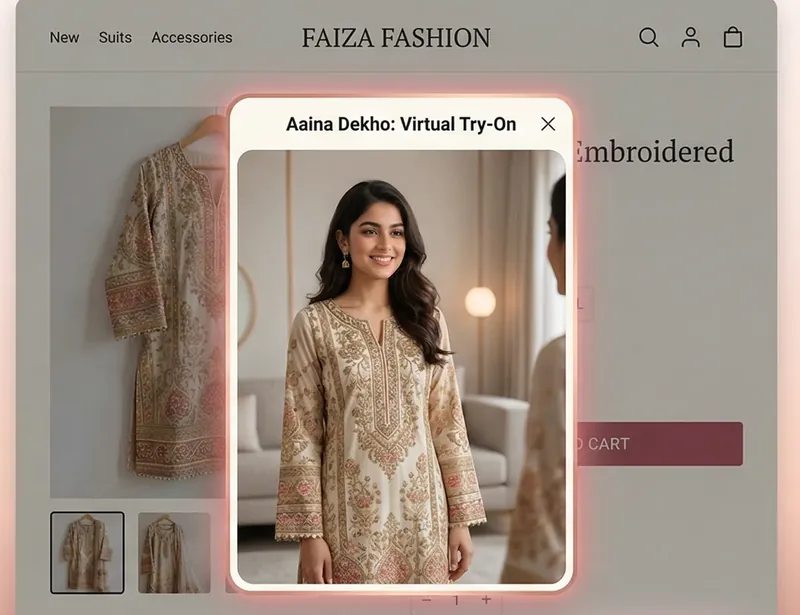
One script tag puts that same try-on next to your Add to Cart button.
A brand's catalogue
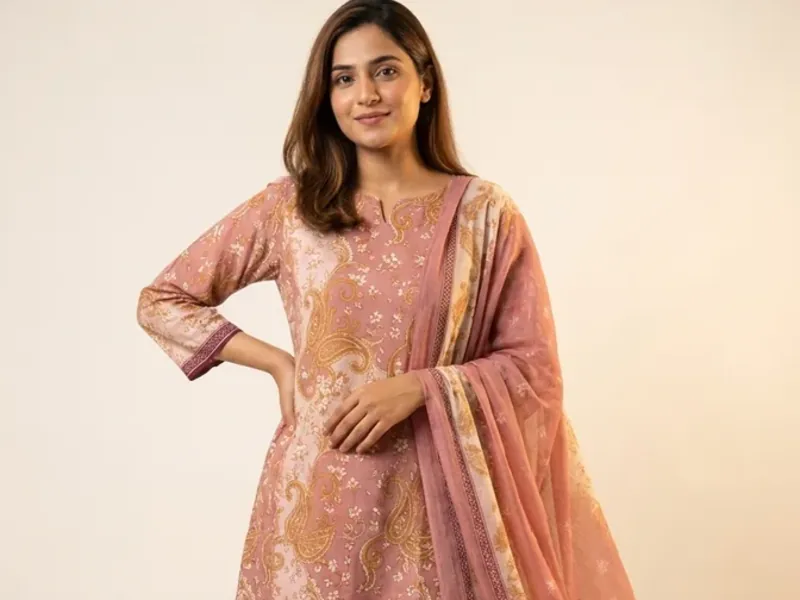
Unstitched cloth becomes a photograph of a model wearing it, stitched.
Shopping for yourself
Upload one photo and see yourself in bridal shararas, everyday lawn, formal anarkalis — anything. Six poses, your own wardrobe, and your photo never leaves your phone.
Try It FreeIf you sell clothes
One sells more of what's already on your product page. The other gets the product page photographed in the first place.
A “Try It On” button on your product page. Your customer uploads a photo, sees herself in the outfit, and buys with fewer doubts. One script tag — Shopify and WooCommerce ready.
See the Widget
Upload your unstitched fabric and get catalogue-ready photographs of a Pakistani model wearing it — stitched, draped, every cut and colourway. No studio, no shoot day, no model booking.
See StudioWhy it works here
Most virtual try-on was trained on Western catalogues: t-shirts, jeans, dresses on a straight silhouette. It doesn't know what a dupatta does, and it lightens skin. Ours was built the other way round.
Falls over the shoulder with real weight, instead of being flattened onto the kameez.
A head covering is preserved, never quietly removed to make the fit easier.
Complexion is preserved exactly. No lightening — the failure we refuse to ship.
Zari, thread work and printed borders survive the transfer, because that's the product.